
Rails to Feathers: Day Adventures Across the UK
Today we dive into Birdwatching Day Trips from Major UK Rail Hubs, celebrating how easily a train ticket can unlock wetlands, cliffs, and city parks alive with calls and wingbeats. From London and Manchester to Edinburgh and Cardiff, discover effortless routes, smart timing, and friendly tips that turn platforms into gateways for curlews, puffins, and murmuration magic. Pack light, travel off‑peak, and return with a notebook full of sightings, stories, and a renewed sense of wonder at how close wild places sit to familiar stations.
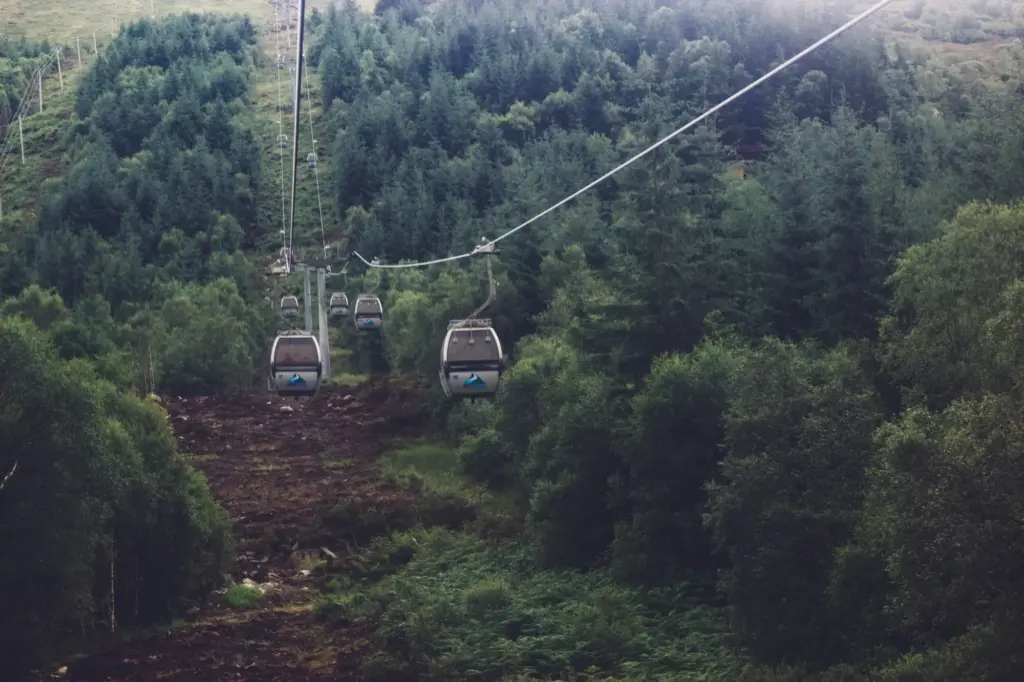
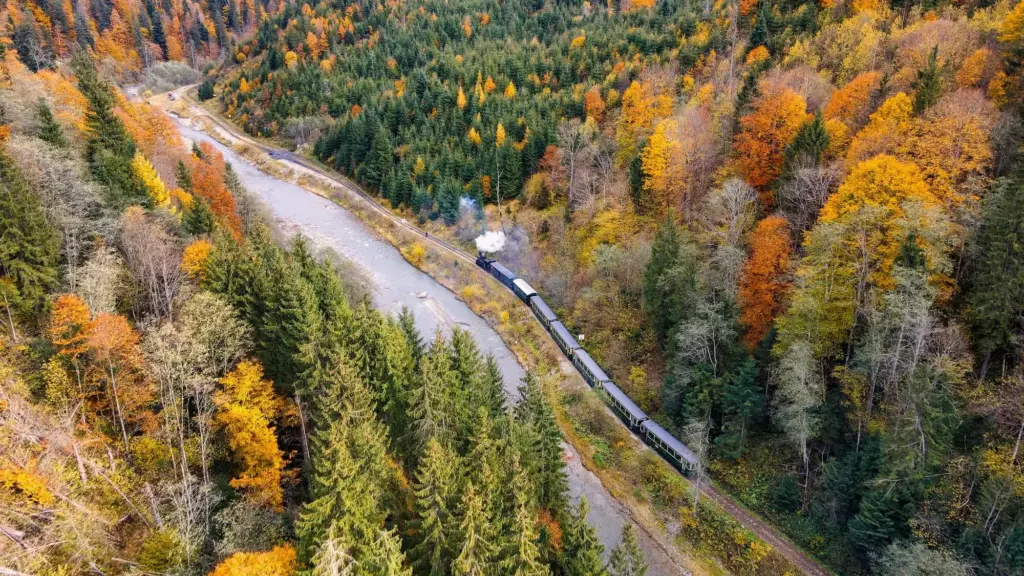
Start Smart at the Station
Confidence begins before the whistle. Check service frequency, off‑peak windows, platform changes, and anticipated walking times to hides or seawalls, then align everything with sunrise, tide tables, and café opening hours. Big hubs like King’s Cross, Paddington, Manchester Piccadilly, Birmingham New Street, Edinburgh Waverley, and Cardiff Central offer abundant connections, lockers, and facilities. Plan a realistic loop that leaves time for surprise sightings, a proper snack, and a relaxed return, because lingering an extra ten minutes often delivers the day’s unforgettable bird moment.
Compact Optics, Big Results
Mid‑sized 8×32 binoculars balance brightness, field of view, and weight flawlessly for train travel. A tough strap, rainguard, and microfiber cloth preserve clarity in sudden drizzle. Consider a lightweight monopod if scoping distant rafts of scoters, or borrow a hide’s communal scope when available. Protective cases prevent knocks in crowded carriages. Test focus wheels with gloves and practice quick adjustments at home, so on the seawall you lock onto that speeding tern rather than fumbling while waves and wind conspire.

Apps, Maps, and Notes
Offline maps and tide charts prevent nasty surprises after a signal blackspot. eBird or BirdTrack help document finds, compare hotspots near stations, and time visits for peak passage. Bookmark reserve pages for hide closures and seasonal sensitivities. Pair What3Words with OS Maps for precise meetups, and jot field notes that capture behaviour, calls, and weather. Later, those scribbles become powerful memory anchors, turning ordinary sightings into stories you can share, refine, and celebrate with fellow travellers planning their next rail‑enabled adventure.
Clothing for British Skies
Britain’s weather applauds good layers. A breathable base, insulating mid‑layer, and packable waterproof keep you scanning instead of shivering. Quick‑dry trousers, warm socks, and a brimmed cap outwit drizzle and glare. Gloves with touchscreen tips let you check reports without baring fingers to biting winds. Tuck sunscreen and insect repellent beside a light buff for coastal gusts. When you stay comfortable on platforms and path edges alike, your patience grows, your observations deepen, and the rarities often reveal themselves.

Spring Migrations Along Easy Lines
As hedgerows green and skylarks hover, stations along coastal or estuarine lines become launchpads for swallows, whitethroats, and newly arrived wheatears. Scan scrub near dunes after short walks from platforms, and follow reedbed edges for explosive warbler song. Spring’s volatility is kind: a passing shower can drop migrants at eye level. Prioritise gentle loops that allow frequent stops, because spring rewards lingering glances. When the wind softens and sun breaks through, colour and chorus erupt, making modest journeys feel gloriously expansive.
Summer Seabird Spectacles
Long days and steady timetables open world‑class cliff theatres. From York or Driffield, reach Bempton to watch gannets, kittiwakes, and clown‑billed puffins arrow past. From Alnmouth, boats to the Farnes unveil terns and guillemots in bright, briny air. Always check swell forecasts and sailing times, then pack lens cloths for salty spray. Even if boats stay docked, headlands still brim with action. Few travel thrills equal stepping off a calm local service and hearing a cliff face roaring like applause.

Three Effortless Itineraries from Iconic Hubs
Here are car‑free journeys that start with familiar departures, end with happy tired legs, and deliver strong species lists without complicated logistics. Each suggestion emphasises clear walking routes, places to rest, and generous time windows for the inevitable surprise. Use them as templates, swap stations confidently, and adapt to tide or weather nudges. Remember to check last trains while daylight remains, then linger that magical extra ten minutes when marsh harriers quarter or a tern decides to hover almost theatrically overhead.
Ethics, Access, and Comfort on the Go
Great days balance curiosity with care. Keep to paths, respect hide etiquette, and give nesting birds generous space. Trains enable low‑carbon travel, but sensitivity on site matters equally. Seek step‑free routes when needed, confirm accessible loos and seating, and pace walks compassionately. Carry water, light layers, and spare gloves so companions flourish. If a rare visitor draws a crowd, arrive calm, avoid blocking paths, and share scopes kindly. Thoughtful behaviour builds community, ensures future access, and protects the very magic we celebrate.

A Day to Remember: Railside Birding Tales
Stories make sightings stick. Think of doors sliding open at Edinburgh Waverley as gulls wheel overhead, or that quiet pause on Manchester’s platform where a stranger tips you toward a reedbed path. Narratives knit routes, birds, and kindness into memories you revisit on grey Mondays. Share your own rail‑enabled adventure below—what you packed, where you paused, and which song followed you home—so fellow readers can refine their next outing with your fresh, generous, field‑tested wisdom.
Waxwings at the Platform Edge
A dull, low cloud morning turned electric when soft trills rose above the concourse. Waxwings descended on a rowan outside the station coffee stand, tossing berries like confetti while commuters froze mid‑sip. Trains sighed, tannoys murmured, and we simply watched, wrapped in a rare pause. No reserve ticket, no hike, just attention and luck. That memory still brightens pocket notebooks and proves a day trip’s heart can begin before the first departure even clears the city’s sandstone shoulders.
Rainham Marshes, One Extra Loop
We meant to catch the earlier return but chose another lap when the wind softened. Marsh harriers floated low, bearded tits pinged from reed stems, and a lone avocet stitched its needle across glittering shallows. That bonus circuit felt like borrowing time from busy weeks. Returning to the platform, mud on boots and warmth in cheeks, we shared field notes, circled a café for tea, and grinned at how a short, cheap train ride had carried us somewhere unreasonably big.
Leighton Moss and the Patient Boom
In the hide, whispers edged around steaming flasks. Light faded, rails squealed, and suddenly the bittern boomed—deep as a drum—rolling across the reedbeds in a way you feel in ribs more than ears. The room fell delightfully still, then a quiet, grateful laughter lifted. Outside, otter ripples stitched silver across the pool. We walked back under easy constellations, timing our steps to meet a calm connection. On the train, the windows held blackness and reflection, and we carried home both.