Ride the Rails to Wild Comebacks Across Britain
Pack a day bag and let the carriage windows frame living recoveries. Today we follow rail routes to rewilding projects and meet Britain’s returning species, from beavers reshaping rivers to eagles reclaiming big skies. Trains thread low-carbon paths to woods, wetlands, and coasts where local people and bold science invite nature back. Expect practical station-to-trail tips, moving field stories, and gentle guidance that keeps wildlife first. Share your sightings, swap routes, and help these recoveries deepen with every mindful journey you make.

Mapping Low-Carbon Journeys to Living Landscapes

Railways stitch together cities, villages, and the rebounding places between, turning a timetable into an itinerary of hope. With step-free stations, bike spaces, and reliable bus links, you can reach wetlands at dusk or woodlands at dawn without a car. This guide connects platforms to footpaths, highlights quieter services for calmer wildlife watching, and shows how every ticket becomes a tiny act of restoration when paired with patience, curiosity, and respect for delicate habitats and the people who care for them.

Great Western to Devon’s Beaver Valleys

Roll into Exeter St Davids, then follow buses and riverside footpaths toward the River Otter, where licensed reintroductions helped families of beavers settle and thrive. At dusk, watch for ripples, peeled willow, and busy silhouettes reshaping channels. Keep to paths, use red-light torches, and give lodges generous space. Even without a sighting, dam-made pools brim with dragonflies, kingfishers, and patient herons, all within an easy rail-linked day trip that lowers your footprint as the wetlands rise again.

Southern to Sussex’s Knepp Wildlands

Alight at Horsham or Billingshurst and walk or shuttle to meadows and scrub alive with nightingales, purple emperor butterflies, and the extraordinary return of breeding white storks. Wander permissive paths, join a guided safari, or linger quietly by hedgerows buzzing with life. The mosaic grew from freeing natural processes, so expect surprises rather than manicured views. Check visitor information, book in advance during peak seasons, and remember that slow, attentive steps often reveal more than hurried itineraries ever could.

Beavers: Britain’s Original Water Engineers

Across licensed sites in Devon and long-established Scottish catchments, beavers build dams that slow floods, filter water, and welcome amphibians, invertebrates, and birds. Watch for gnawed stumps, slide marks, and evening commutes along still channels. Keep dogs leashed, avoid bank edges where burrows weaken soil, and never spotlight animals directly. Be patient and you may glimpse a family’s gentle choreography. Even if you only meet their handiwork, you will have met the heartbeat of modern freshwater restoration in action.

White-Tailed Eagles: Island Skies Reclaimed

Reintroduced birds now patrol coastal skies, especially around the Isle of Wight and Scotland’s sea lochs. Vast wings like doorways sweep over estuaries where mullet flash and gulls complain. Scan from open viewpoints, minding cliff safety and respectful distances from nest areas. Rail-ferry links make low-impact trips easy, but weather and tide decide the show. Carry binoculars, dress for wind, and linger. Eagles reward those who give them space, turning distant specks into unforgettable, thunder-quiet silhouettes against shining water.

Stations, Footpaths, and the Last Mile

Great wildlife trips hinge on small connections: a waymarked stile, a bike hire at the station, or a bus that meets the mid-morning train. This section pairs lines with thoughtful onward options, helping you use paths locals cherish without crowding fragile corners. Expect notes on surfaces, gradients, and seasonal closures, plus tips for cafes that welcome muddy boots. The last mile often decides whether your adventure feels effortless and ethical, carrying you from timetable to birdsong in a few careful steps.

From Platform to Path at Dunkeld and Birnam

Step off the Highland main line and wander toward Perthshire’s woods and lochs, where spring ospreys return to familiar nests and red squirrels bridge pine shadows. Local buses and well-signed paths make car-free movement simple. Keep voices low near hides, and give anglers and residents courteous space on narrow lanes. Weather changes quickly; pack layers and warm drinks. Whether the stars appear or rain steams from moss, the rail return will feel like a soft glide back through living history.

Brockenhurst Gateways to the New Forest

Hop out among ponies, ancient oaks, and mires bright with sundews. Hire a bike steps from the station or follow waymarked trails, remembering ground-nesting birds need wide berths in spring. Conservation here blends rewetting with centuries of commoning, so tread carefully and greet locals with respect. Trains arrive frequently, letting you savour long evenings without driving. Pause for quiet minutes at a bog edge, watching dragonflies patrol windless mirrors where restoration has given water back its wandering mind.

Alnmouth Links to Coquet’s Seabird Riches

East Coast Main Line trains deliver you to Alnmouth, with buses onward to Amble and boat trips that circle Coquet’s guarded seabird colonies. You cannot land, and that is the point: safety and calm breed recovery. From a respectful distance, scan for terns slicing air and puffins ploughing seawater. Time sailings with tides and weather, and wrap up warm even in June. Returning by rail, salt still on your lips, you carry the hush that nesting cliffs truly need.

Stories from the Line: People Restoring Place

Between dispatches, he leans from a permitted window and marks screaming parties slicing the station canopy. Years ago there were three pairs; now boxes on the goods shed host a choir. He taught himself the calls by replaying recordings on the down platform, later mentoring scouts on summer evenings. Your train glides in as a dozen birds stitch the sky, and you realize schedules and swifts share a pulse: both depend on timing, safe routes, and communities that refuse to give up.
Tent zipped against the night, she set out by moonlight from a Sussex campsite reachable by bus. A guide whispered, wind tugged hedges, and fields glowed pale. Then bills clacked like wooden rain and silhouettes unfurled over oak crowns. She did not raise her phone, only breathed and cried. Later, on the local train back, her notebook filled with sketches, bus links, and a vow to return as a volunteer. Some journeys carry you home as someone new.
On a late service north of Perth, a guard stepped onto a quiet platform and watched the river turn to silk. A shape arrowed by, V-wake glowing under sodium lamps. No photo, no fuss, only a whispered thanks to unseen hands who made space for whiskers and willows again. He now keeps a spare field guide in his bag, sharing tips with curious passengers. Small moments, traded between strangers, multiply into a network of care stronger than any timetable.

Practical Fieldcraft for Rail-Borne Naturalists

Wildlife flourishes when visitors read the land like a guestbook, not a stage. Here you’ll find clear, kind guidance for staying safe, keeping animals calm, and traveling light enough to follow opportunities. We cover respectful distances, seasonal sensitivities, and wet-weather hacks that rescue a day. You will also learn to plan flexible return options, so you can linger for a dusk beaver watch or race a storm to shelter. Confidence grows when preparation meets humility at the trailhead.

Season by Season: When Trains Meet the Wild
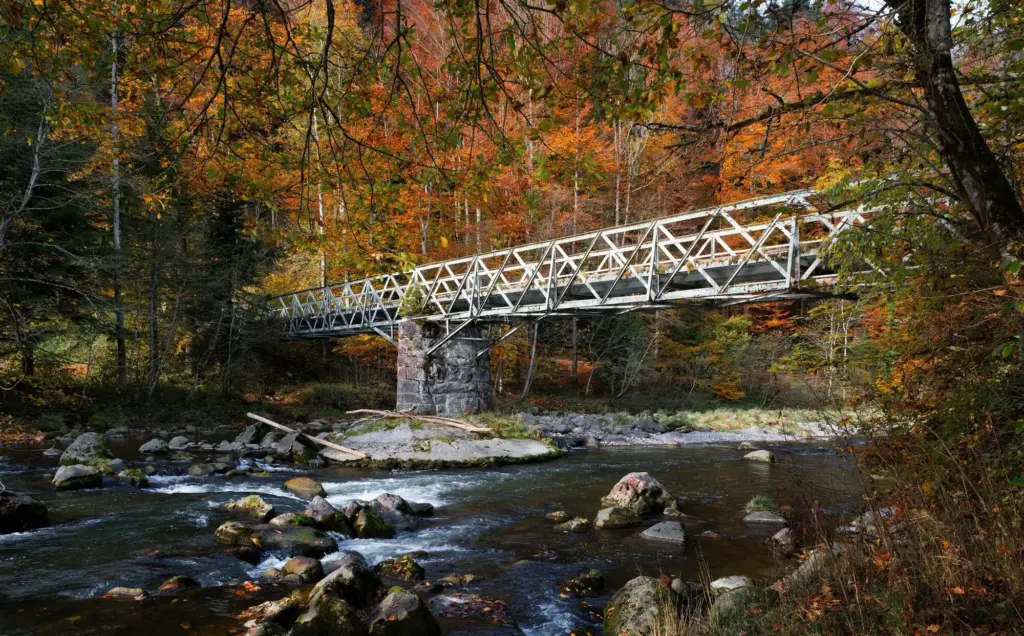
Recovery is a calendar written in wingbeats and wet pawprints. This planner pairs species rhythms with dependable rail windows, always balancing opportunity with care. Spring brings song and courtship; summer extends golden evenings; autumn and winter reveal migrations, roosts, and storm light that clarifies textures. We spotlight moments that welcome quiet watchers while steering clear of sensitive nest sites. Let the seasons teach patience, and let the timetable remind you that there will always be another train, another chance.

Spring: Choruses, Courts, and First Flights
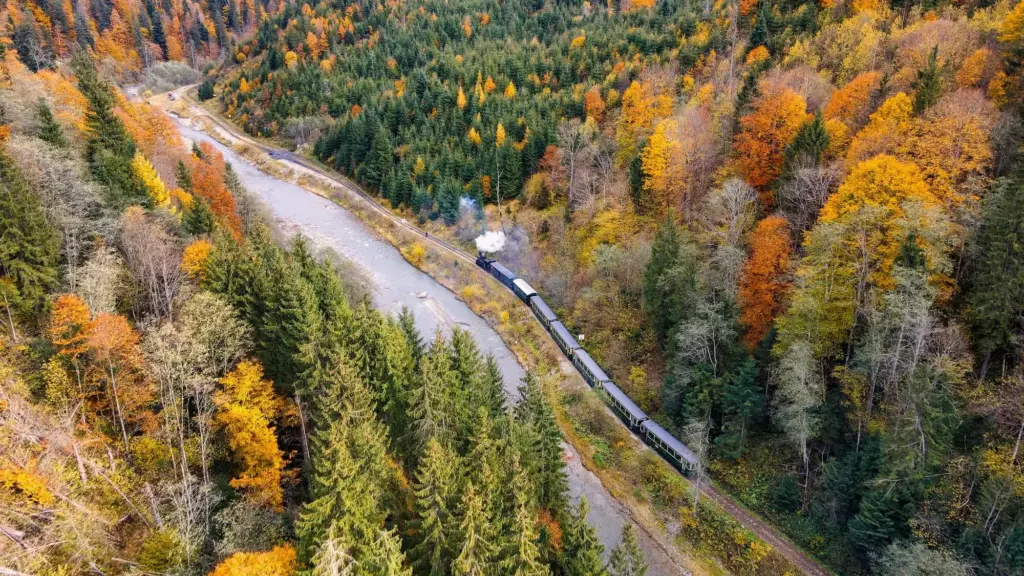
From March to May, ride to hedgerows alive with nightingales near Sussex and watch white storks clack over freshly leafing oaks. Eagles display on bright thermals, while beavers repair winter damage as willows bud. Travel early to beat heat shimmer, but avoid lingering near active nests. Pack a notebook for firsts of the year, from brimstone butterflies to returning swallows. Celebrate beginnings with beginnings: new routes, new companions, and a renewed promise to tread softly among fragile hopes.

Summer: Long Evenings and Riverside Engineers at Work
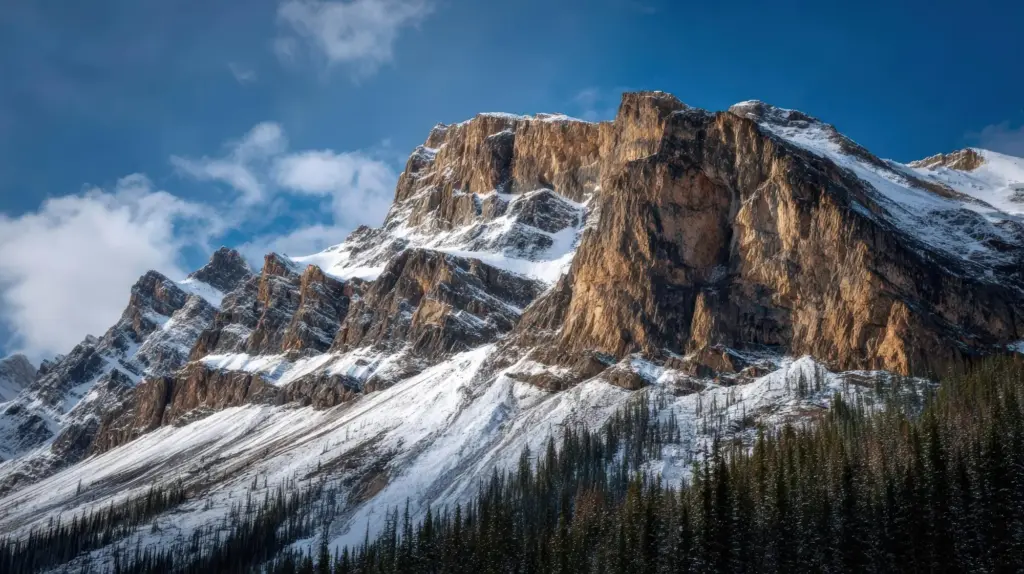
High summer extends your car-free range. After an unhurried rail journey, wait by tranquil backwaters as beavers ferry branches before dark. Ospreys plummet inland, dragonflies patrol hot margins, and bison trails glow with dusty pollen. Bring midge protection in the north, spare water everywhere, and patience always. Choose shaded footpaths, rest often, and listen for the layered music of crickets and reed warblers. The late train home carries reflections and the satisfied quiet that follows ethical, unhurried watching.

Autumn and Winter: Storm Light and Spectacular Gatherings

As leaves fall, Chiltern hills pulse with red kite acrobatics, easily reached by frequent services. Farther north, geese pour into Scottish estuaries near rail-linked towns like Montrose, while starlings weave dusk tapestries over coastal piers and marshes. Dress for biting wind, pack a headtorch, and keep clear of roost trees. Winter’s low sun sculpts tracks and feathers, teaching fieldcraft in sharp relief. Trains feel especially welcome now, warm rakes of light guiding you back through rain-polished darkness.

Join In and Keep It Wild

Volunteer Days You Can Reach by Train
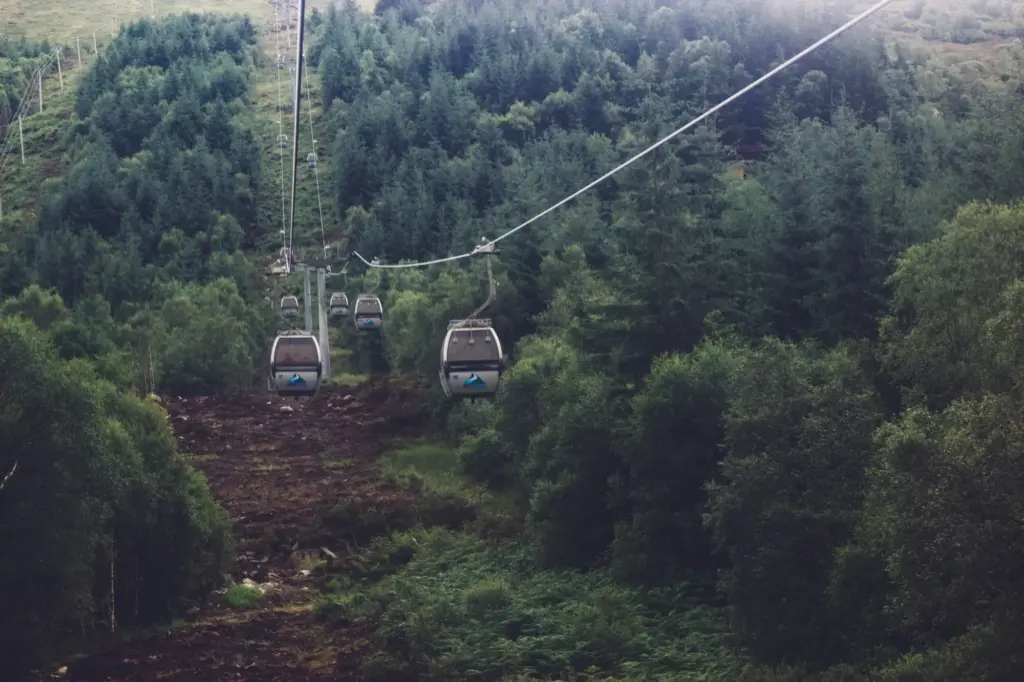
From meadow scything near suburban stations to scrub clearance by coastal halts, opportunities abound without a car. Wildlife trusts and community groups publish dates and meeting points; sign up, pack gloves, and arrive early with water. You will learn tool safety, plant names, and the cheerful rhythm of shared work. The ride home carries sore muscles, new friendships, and the satisfying knowledge that your ticket also funded tracks and habitats moving in the same hopeful direction.

Share Your Rail-to-Rewild Itinerary

Post your station-to-trail sequence, bus links, accessibility notes, and quiet viewpoints that respect wildlife needs. Add timing tips for dusk beaver watches or eagle outlooks, and be honest about missed sightings too. Tag your photos with species only at broad landscape scales to protect sensitive spots. Cheer on newcomers, ask questions kindly, and return later with updates. Together we map a living network of journeys that keep pressure low, joy high, and the countryside’s ancient rhythms beating strong.

Support the Projects that Welcome You

Join local trusts, donate to monitoring programs, or adopt a nest camera, then visit by rail to witness your support in motion. Buy cake in village halls, respect field margins, and book guided walks that fund rangers’ patient work. Leave reviews celebrating good signage and accessibility rather than secret spots. Advocate for integrated tickets, step-free stations, and bike spaces that bring more people gently to nature. Your choices braid economy, ecology, and empathy into one durable, generous journey.