Rails, Trails, and Wild Encounters Across the UK
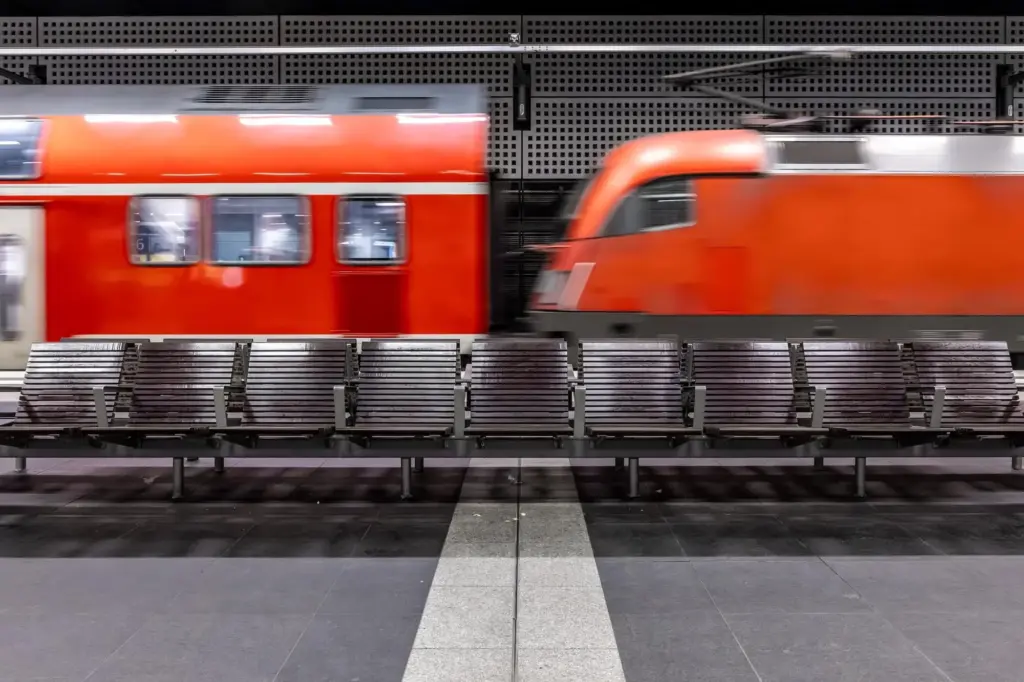
Pack your camera and hop aboard: we’re setting out on wildlife photography journeys by train with trailhead access across the UK. Step from platforms to moorland paths, forest rides, and coastal clifftops, timing golden hours, respecting habitats, and capturing unforgettable stories worth sharing, discussing, and revisiting together as a curious, supportive community.

Planning Rail-Ready Adventures That Reach the Wild
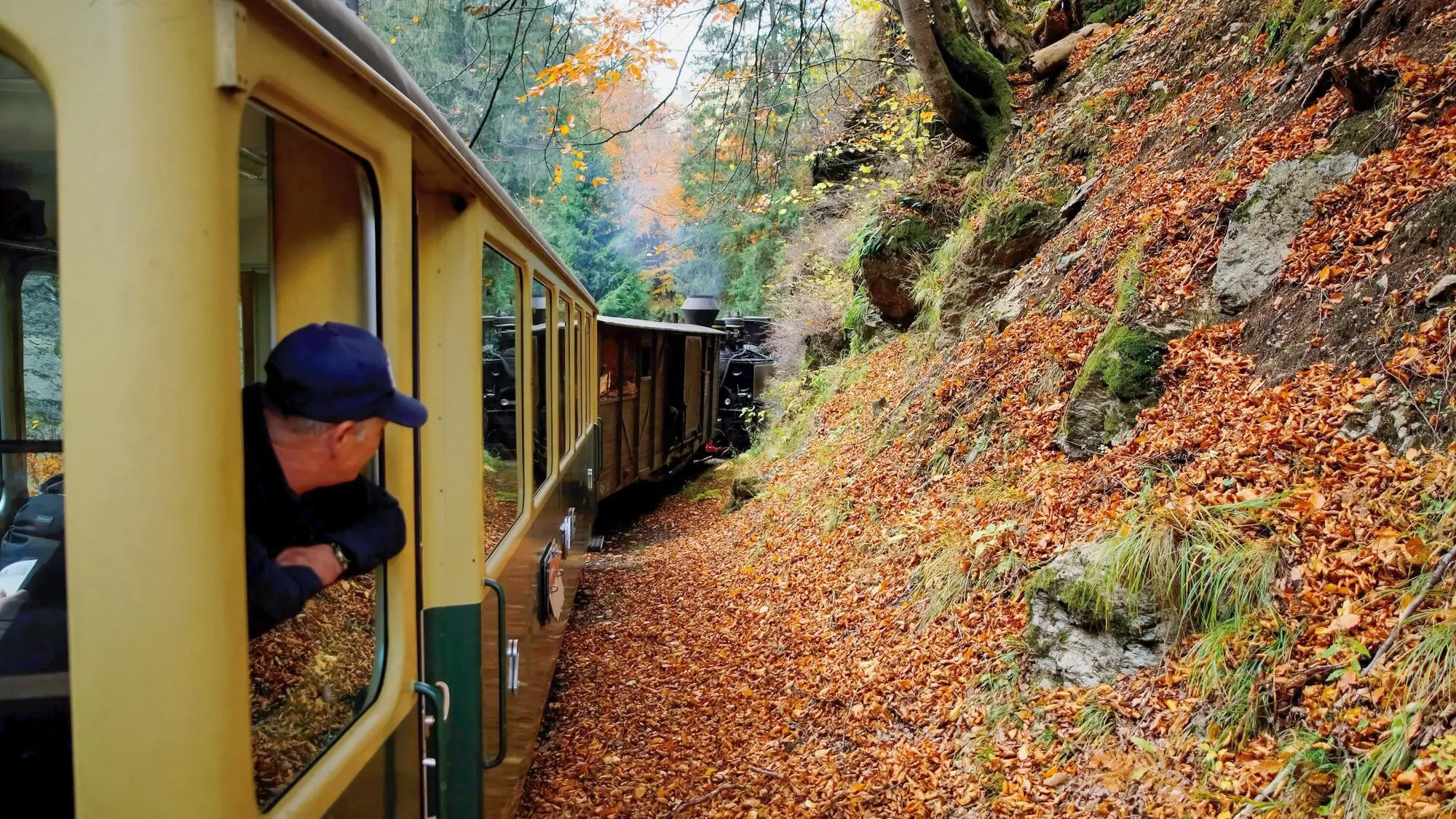
Smart planning turns a rail timetable into a canvas for discovery. Understand first and last services, request-stop etiquette, and station facilities, then map sunrise, tides, and weather to your route. Share your favorite line-and-trail combos with us so others can learn, compare notes, and refine trips before stepping onto the platform.

Fieldcraft, Law, and Kindness to Creatures

Respect earns the best encounters. Learn signs of stress, read wind and light, and use natural cover wisely. Follow the Countryside Code, understand protected species rules, and keep clear of nests. Your patience, restraint, and knowledge protect fragile lives while leading to more intimate, enduring images that truly honor the places you’re privileged to visit.

Moving Quietly on Popular Paths

On busy trails, success hinges on subtlety. Slow your steps, keep voices low, and pause often to scan edges where movement betrays presence. Use hedgerows and tree trunks as natural blinds, avoid blocking paths, and let others pass. Note escape routes for animals, and always prioritize their comfort over any photograph you hoped to capture.

Protected Species and Responsible Distances in the UK

The Wildlife and Countryside Act safeguards many species and their nesting sites, with some requiring licensed approaches in sensitive periods. Use long lenses, stay beyond disturbance thresholds, and consult local signage or wardens. If behavior changes—alarm calls, repeated glances, or retreat—back off immediately. Report rare sightings responsibly, avoiding precise locations when disclosure might invite harmful pressure.

Drones, Playback, and Other Temptations to Avoid

Skip drones where restricted or likely to disturb; many reserves prohibit them outright. Never bait or use playback that could stress birds defending territories. Resist stepping off-trail for marginal gains. Ethics build trust with rangers and communities, unlocking tips, smiles, and serendipitous encounters that no shortcut can guarantee and no staged moment can equal.

Highlands, Moors, and Forests Within Walking Distance of a Platform
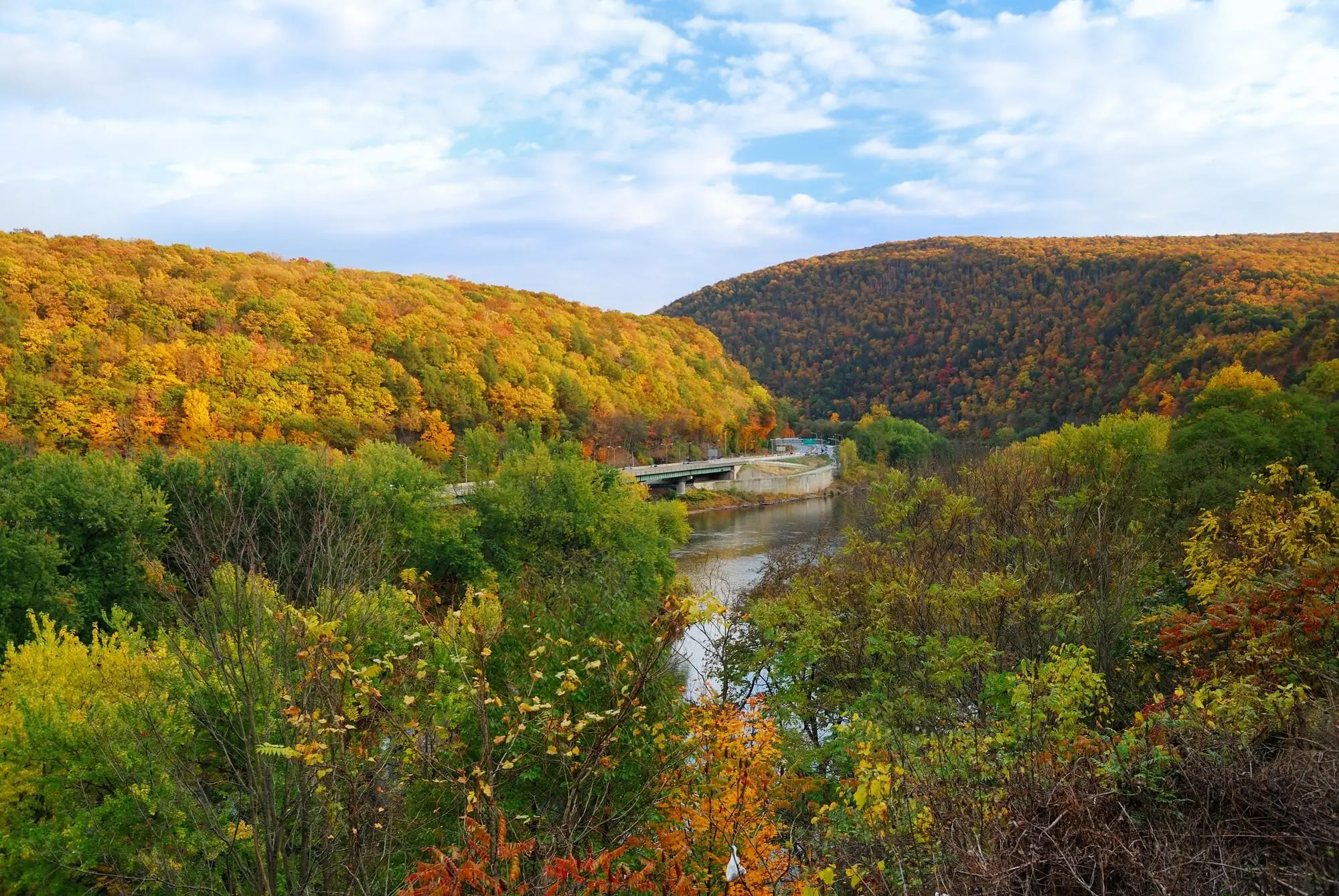
Some of Britain’s most stirring habitats start at a station gate. From pine-fringed lochs to weather-brushed moorland and peat, rail lines deliver you to quiet trailheads where patience reveals antlers in mist, wingbeats over heather, and tracks sketched in dew. Lace boots, shoulder your bag, and let each step guide your framing and focus.

Bempton: Seabirds on Sheer Chalk

From Bempton station, a short walk leads to cliffs alive with gannets, puffins in season, and swirling kittiwakes. Use railings as impromptu supports, photograph responsibly over barriers, and brace for gusts. Early or late visits soften light and thin crowds, while longer focal lengths and careful timing freeze wingbeats against the luminous North Sea backdrop.

Silverdale to Leighton Moss: Reedbeds and Secretive Calls
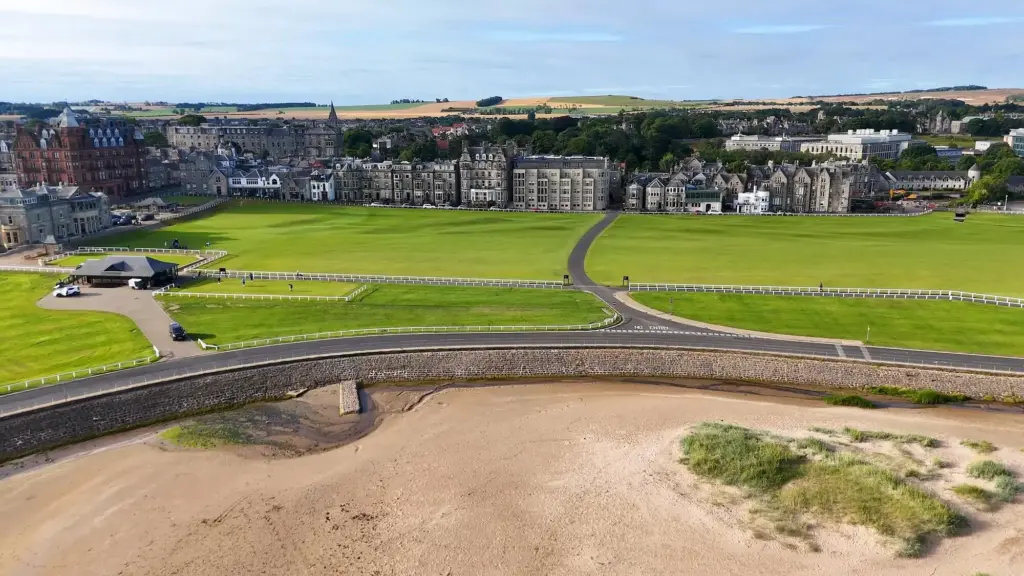
Silverdale station opens routes to Leighton Moss, where boardwalks reveal bitterns, bearded tits, and marsh harriers. Wait quietly at screens, listening for distant booming that guides your gaze. Misty mornings reward silhouettes and layered reeds; stabilize with a monopod, protect gear from drizzle, and share sightings sensitively to safeguard breeding areas and nesting privacy.

Techniques for Story-Driven Images on the Move
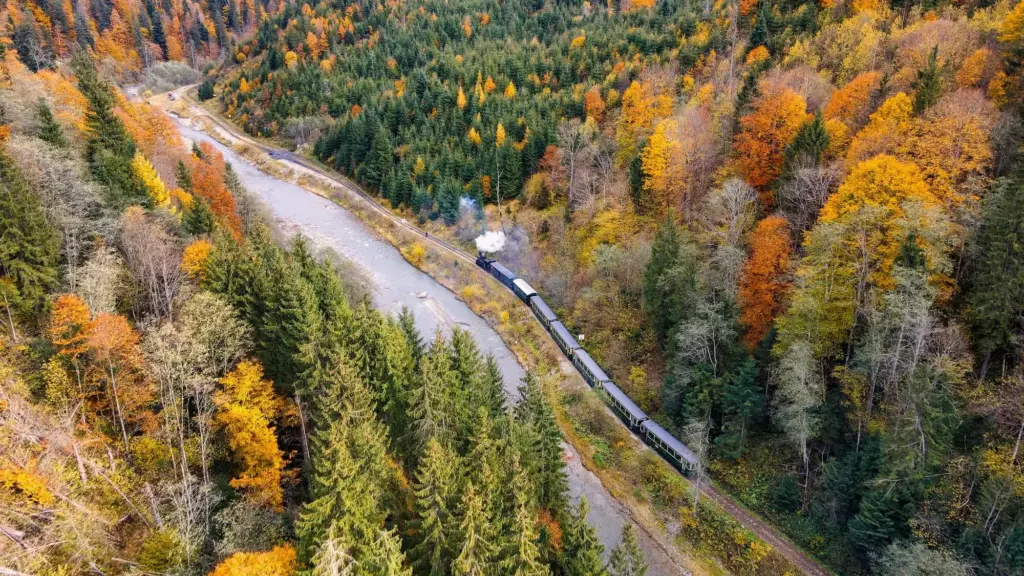
Travel photography thrives on nimble technique. Balance shutter speed with ISO during dawn approaches, shape compositions that connect environment and subject, and use the train itself as a narrative thread. Practice quick, quiet setup so moments remain undisturbed, and share results in our comments to help others troubleshoot, learn, and celebrate small breakthroughs together.

Comfort, Safety, and Accessibility from Station to Trail

A confident traveler notices more and disturbs less. Choose step-free routes when needed, plan assistance services in advance, and keep emergency numbers saved offline. Share itineraries with a trusted contact and carry a small first-aid kit. Respect communities around stations, support local cafés, and model considerate behavior that keeps these remarkable places welcoming for everyone.
Before departure, check station accessibility pages, lift availability, and platform changes. Pre-book assistance where appropriate, and keep your kit consolidated for easy handling. Choose compact supports over sprawling tripods in tight spaces. Clear doors swiftly, thank staff, and remember that smoother boarding reduces stress for you and those traveling alongside, preserving goodwill and energy.
Confidence grows from small habits: keep valuables close, note escape routes, and trust instincts when a scene feels off. Download maps for offline use, carry a headlamp, and mark bail-out stations. If conditions deteriorate, pivot to safer vantage points. Celebrate caution as a creative tool, not a compromise, and encourage others to do likewise.